
Content design Guides, templates and articles
Guides, templates and articles about content design, government communications, digital experience with a few case studies thrown in for fun.

WCAG 2.2 for writers: what you can fix without a developer
You don't need a developer to fix most content accessibility issues. What WCAG 2.2 asks of writers: headings, link text, acronyms, direction-free wording, more.

Hidden verbs: the quiet bloat in government writing
Hidden verbs quietly bloat government writing. How to spot the pattern in phrases like 'make an application', and turn them back into verbs readers can act on.

Passive voice isn't a crime. It's usually just fog.
Passive voice has legitimate uses in government writing. The problem is the fog it creates everywhere else. How to spot it, fix it and learn when to keep it in.

Your content reads at year 12. Your readers are at year 7.
Most government content is written three reading levels above its audience. Why year 7 is the Style Manual's target, and how to know where your pages now stand.

What your privacy policy must say about automated decisions
From 10 December 2026, privacy policies must describe significant automated decisions. It is a transparency rule, and it will fail without content design.
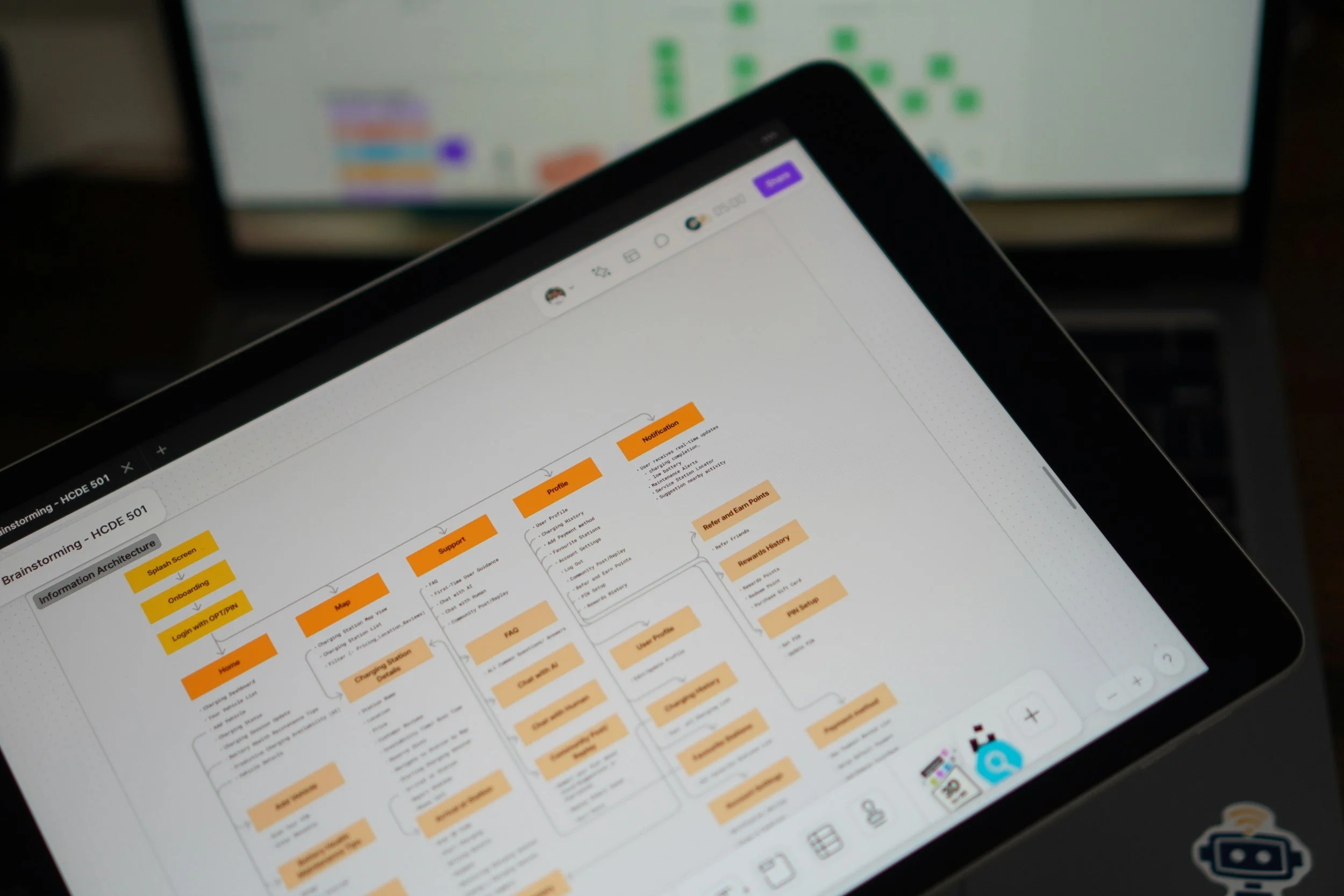
Information architecture vs sitemap: what the difference means for government websites
Information architecture vs sitemap: a sitemap lists the pages you publish; IA is how people find and understand them. Confusing the two breaks your navigation.

Working with policy subject matter experts: a content design guide for Australian government
Most Australian government content design fails at the SME relationship, not the writing. A practical guide for working with policy experts across APS contexts.

Government letters and notices: a content design guide for Australian agencies
Government letters decide whether people pay, appeal or miss deadlines. A practical content design guide to writing letters and notices for Australian agencies.

Content design vs UX writing vs content strategy: the disciplines, the overlaps, the differences
Content design vs UX writing vs content strategy: what each discipline actually does, where they overlap, and why naming them right saves teams time and budget.

How to write alt text for (Australian government) websites
How to write alt text for Australian government websites: when an image actually needs it, how to describe its purpose, and who should own it in your workflows.
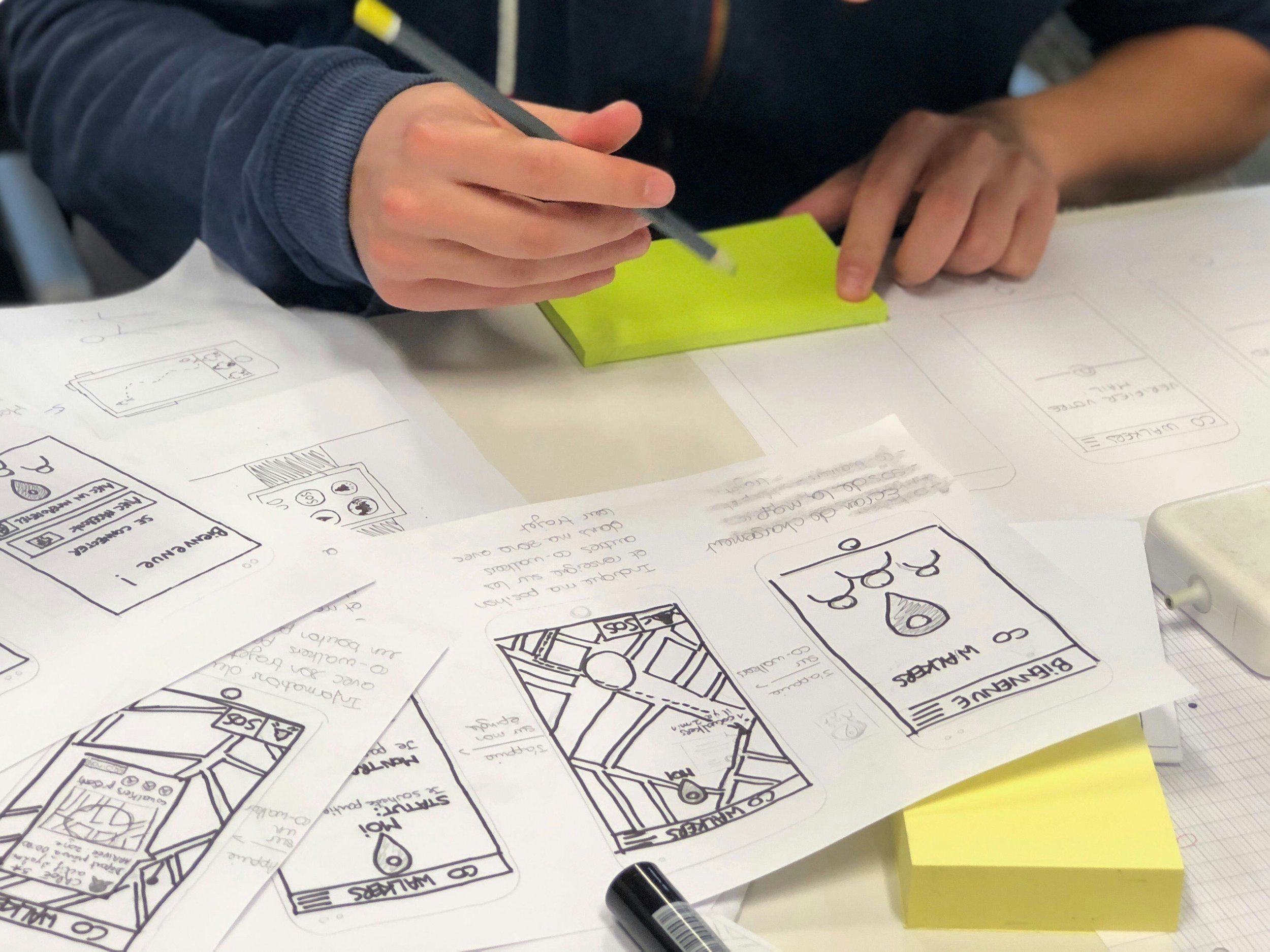
How to brief AI for content: the three layers of context it needs
Generic AI content is a briefing failure, not a model failure. How to brief AI for content using the three layers of context it genuinely needs to get it right.

How to write for the web for Australian government: a practical guide for content teams
A practical guide to writing for the web for Australian government. Seven steps, from defining the user task to publishing a page that works.

Year 7 reading level isn't a target. It's a constraint that should change how you write everything.
The Style Manual sets the year 7 reading level for Australian government content. Most agencies miss this target because they edit the words, not the structure.

AS ISO 24495 plain language is now an Australian Standard. Use it as a governance lever.
AS ISO 24495.1:2024 makes plain language a citable Australian Standard. Use it in your content governance framework, your next tender, or in your audit reports.

FAQ pages are usually poor content design. AI does not change that.
FAQ pages feel productive to build, but usually signal a content design problem. Here's why they fall short, what AI changes about them, and what to do instead.

What is content design? It's not copywriting, and the difference matter.
Content design is not copywriting. It's the discipline of structuring content so people can find it, understand it, and act. Here's what that means in practice.