
Content design Guides, templates and articles
Guides, templates and articles about content design, government communications, digital experience with a few case studies thrown in for fun.

Turn your house style into rules a machine can check
Your house style only works if people apply it. How to turn your mechanical style decisions into rules a browser tool checks on every page before it goes live.

Retrofitting existing services to the Digital Inclusion Standard
Digital Inclusion Standard existing services: how to retrofit a live estate you cannot take down, triage the gaps by harm, and know when to apply for exemption.

Digital Inclusion Standard content checklist
A content checklist for the Digital Inclusion Standard: the content decision inside each of the five criteria, what good looks like, and who records it.

The Digital Inclusion Standard is not an accessibility job. Content owns part of every criterion.
The Digital Inclusion Standard covers every existing public-facing government service. What each of the five criteria asks, and the share content teams own.

AI procurement for government content
DTA AI procurement guidance covers risk, not content. Here are the accessibility, plain language, and accountability requirements to put in the contract itself.

What your privacy policy must say about automated decisions
From 10 December 2026, privacy policies must describe significant automated decisions. It is a transparency rule, and it will fail without content design.

Content audit starter template for government websites
A minimum viable content audit spreadsheet for government websites. Eight columns, one row per page, every row ending with a clear action. Free download.

You cannot outsource accountability for accessible content
When a vendor builds your government website, the agency still owns accessibility. Put accessibility requirements in the brief and contract before you sign off.

Using AI in government content: what to try, and what to leave alone
A model shows you what your content does. It cannot decide what it should say. What to try, what to leave alone, and what decides whether it works.

How to write an Alternate Access Plan
An Alternate Access Plan names each unresolved accessibility barrier and how people can still complete the task. The AHRC named the artefact. Template below.

Plain language does not fail at the draft. It fails after launch.
Government writers are not the problem. Readability fails after launch, because no role owns the whole site. Here are the four roles that fix it.

The eight decisions a content governance model has to make
Content governance for Australian government is eight decisions, not a document. Who owns, who approves, what standard, what triggers retirement, and who answers.

Your website content is a Commonwealth record. What that means before you delete a page.
Deleting a page on an Australian government website is a disposal decision. Here is what records management really asks of your content team, and in what order.

Agentic AI does not read your content. It acts on it.
The DTA has named website information as an input to AI systems that take actions. Four things to check in your content before an agent points at your site.

What the Digital Access Standard means for content teams
The Digital Access Standard makes one architecture decision documented and reported: does this service need its own front door? Content teams hold the evidence.

Content design training in Australia: the five things UK-built courses leave out
Content design training in Australia largely descends from UK GDS courses. Five things Australian government content work needs that imported courses leave out.

How to do a content audit without tools: a spreadsheet, 50 pages, and one question
You can do a content audit without tools. A spreadsheet, your top 50 pages by traffic, and one sharp question lands most of the decisions any audit has to make.
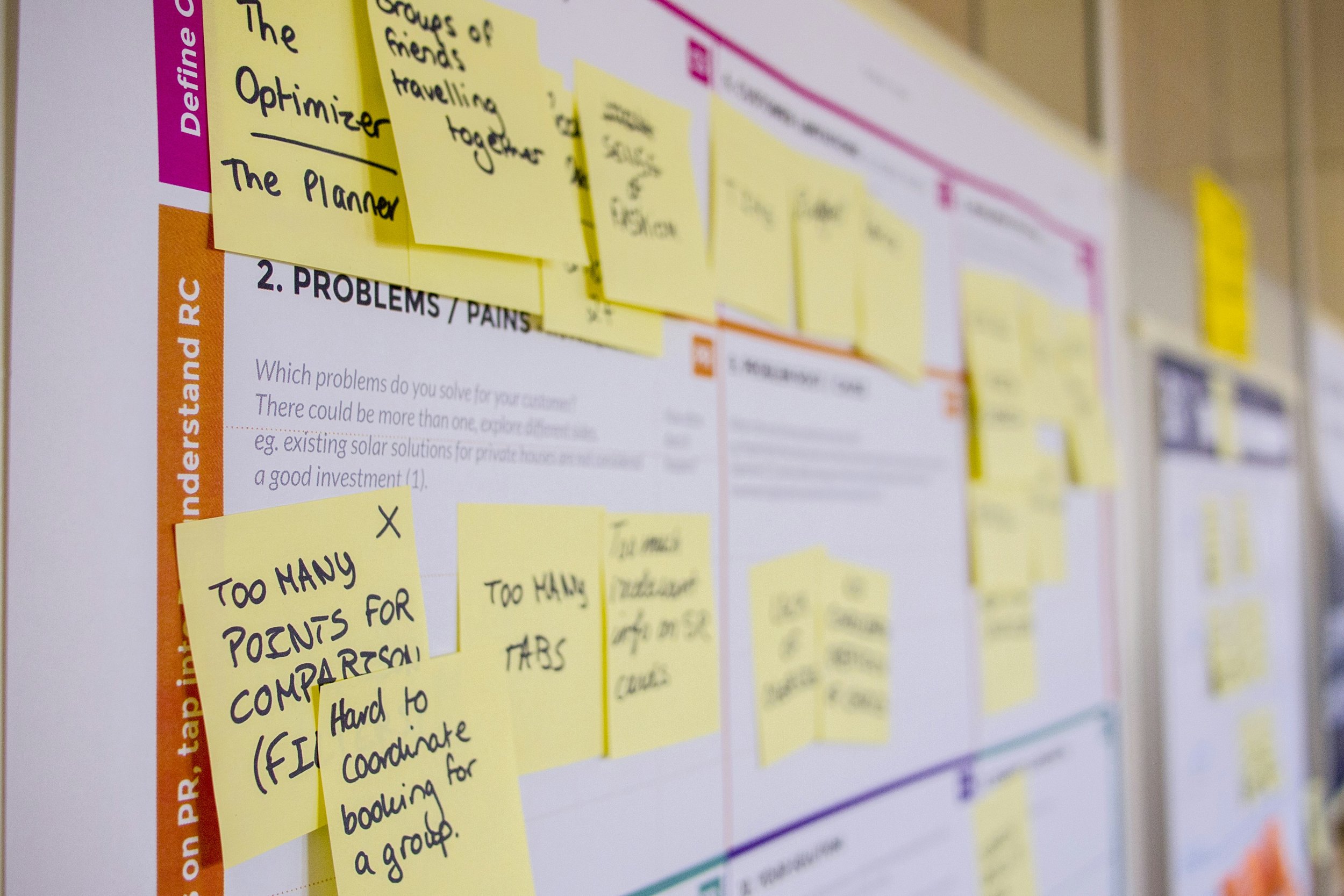
How to write evaluation recommendations that get actioned
Writing evaluation recommendations that get actioned means naming the owner, the action, and the date. Without those three, it is only an observation.

How to manage content during a government website consolidation
Australian government website consolidation is more than a technical migration. Here's the guide to content decisions that determine whether the new site works.
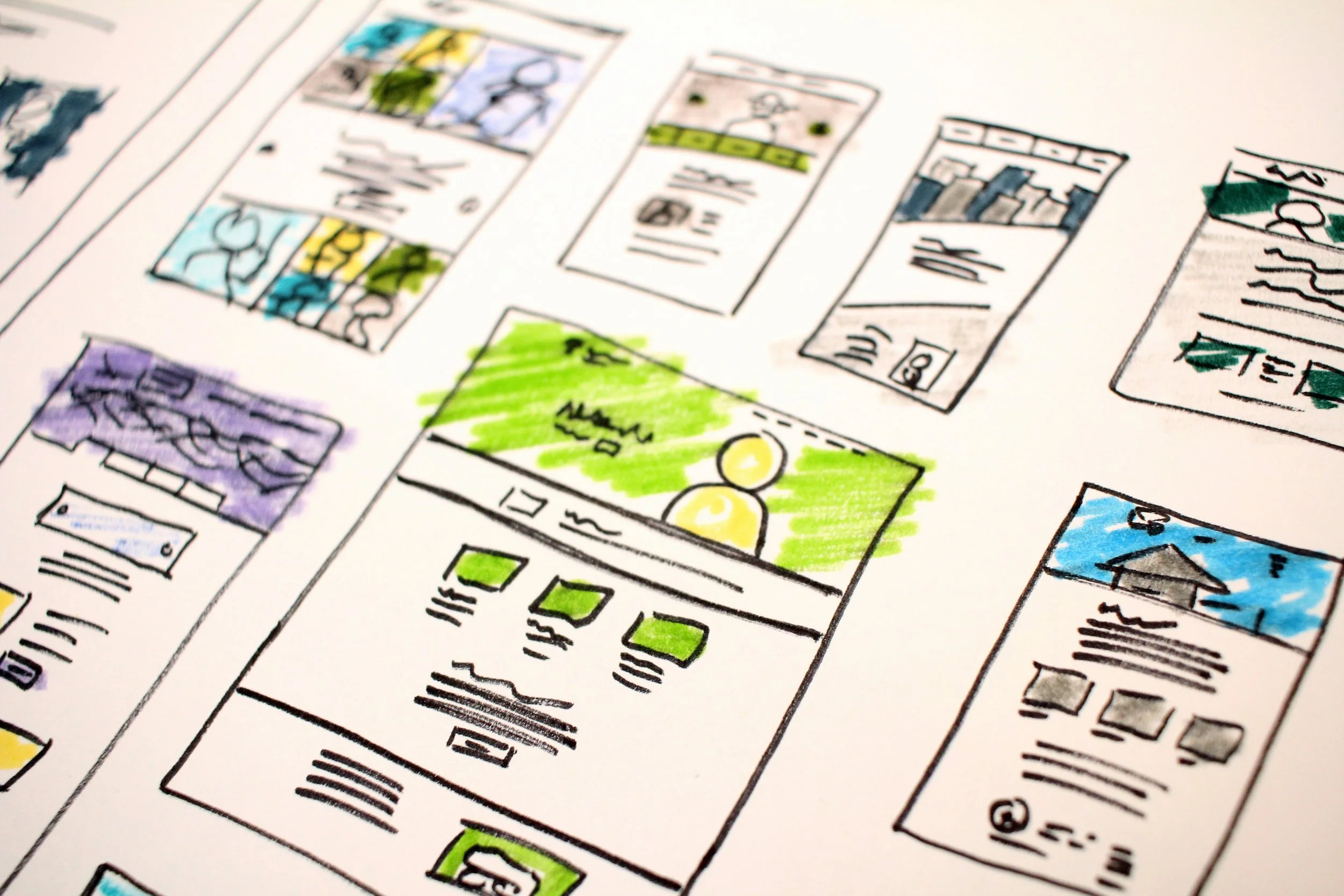
WCAG 2.2 content requirements for government: the criteria your content team owns, not developers
WCAG 2.2 content requirements for government: the new success criteria your content team owns, not developers, and the content fix for help, forms, and sign-in.