
Content design Guides, templates and articles
Guides, templates and articles about content design, government communications, digital experience with a few case studies thrown in for fun.

The Style Manual rules that slip through review
Single quotes, sentence case, numerals from 2: the small Style Manual conventions that slip through careful review, and ways to catch them before you publish.

Hidden verbs: the quiet bloat in government writing
Hidden verbs quietly bloat government writing. How to spot the pattern in phrases like 'make an application', and turn them back into verbs readers can act on.

Passive voice isn't a crime. It's usually just fog.
Passive voice has legitimate uses in government writing. The problem is the fog it creates everywhere else. How to spot it, fix it and learn when to keep it in.

How to run a 10-minute readability check before you publish
A practical pre-publish routine: check reading grade, passive voice and Style Manual basics in about 10 minutes, using one free checker built into your browser.

Your content reads at year 12. Your readers are at year 7.
Most government content is written three reading levels above its audience. Why year 7 is the Style Manual's target, and how to know where your pages now stand.

Why's it called Confetti?
Confetti is named after what you see on screen: a page in 8 colours, one per kind of problem. Why that mess is the work, and what that name obliged us to build.

Confetti flags. You decide.
A checker can prove your page is mechanically spotless. It cannot know if the page works. How to use Confetti, its flags and its checklist, with real judgement.

Digital Inclusion Standard content checklist
A content checklist for the Digital Inclusion Standard: the content decision inside each of the five criteria, what good looks like, and who records it.

The Digital Inclusion Standard is not an accessibility job. Content owns part of every criterion.
The Digital Inclusion Standard covers every existing public-facing government service. What each of the five criteria asks, and the share content teams own.

AI procurement for government content
DTA AI procurement guidance covers risk, not content. Here are the accessibility, plain language, and accountability requirements to put in the contract itself.

What your privacy policy must say about automated decisions
From 10 December 2026, privacy policies must describe significant automated decisions. It is a transparency rule, and it will fail without content design.

Using AI in government content: what to try, and what to leave alone
A model shows you what your content does. It cannot decide what it should say. What to try, what to leave alone, and what decides whether it works.

How to write an Alternate Access Plan
An Alternate Access Plan names each unresolved accessibility barrier and how people can still complete the task. The AHRC named the artefact. Template below.

Plain language does not fail at the draft. It fails after launch.
Government writers are not the problem. Readability fails after launch, because no role owns the whole site. Here are the four roles that fix it.

Agentic AI does not read your content. It acts on it.
The DTA has named website information as an input to AI systems that take actions. Four things to check in your content before an agent points at your site.

What to measure instead of a readability score
A readability score measures sentence length, not whether readers can act. Plain language vs a readability score, why they differ, and what to test instead now.

Content design training in Australia: the five things UK-built courses leave out
Content design training in Australia largely descends from UK GDS courses. Five things Australian government content work needs that imported courses leave out.
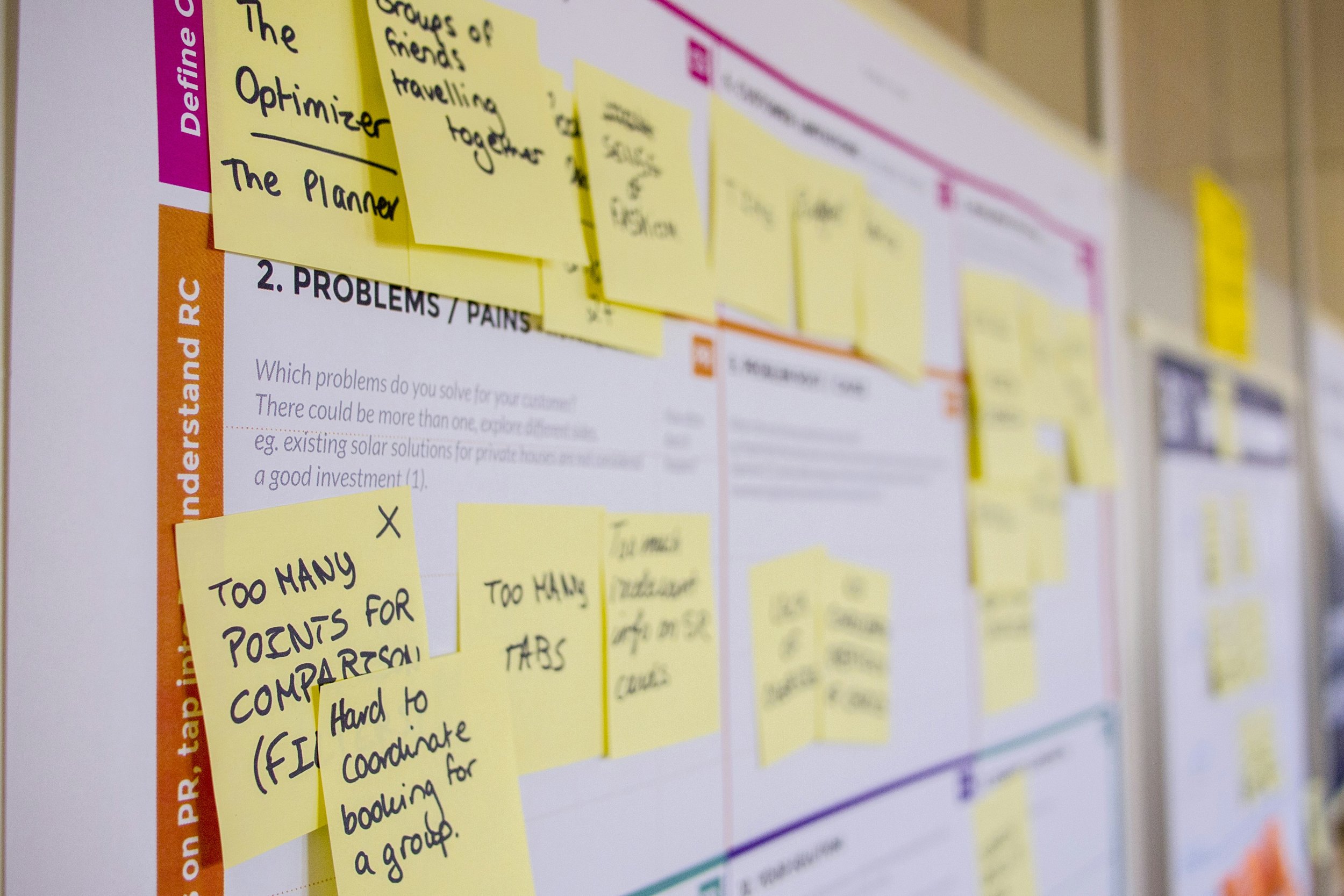
How to write evaluation recommendations that get actioned
Writing evaluation recommendations that get actioned means naming the owner, the action, and the date. Without those three, it is only an observation.
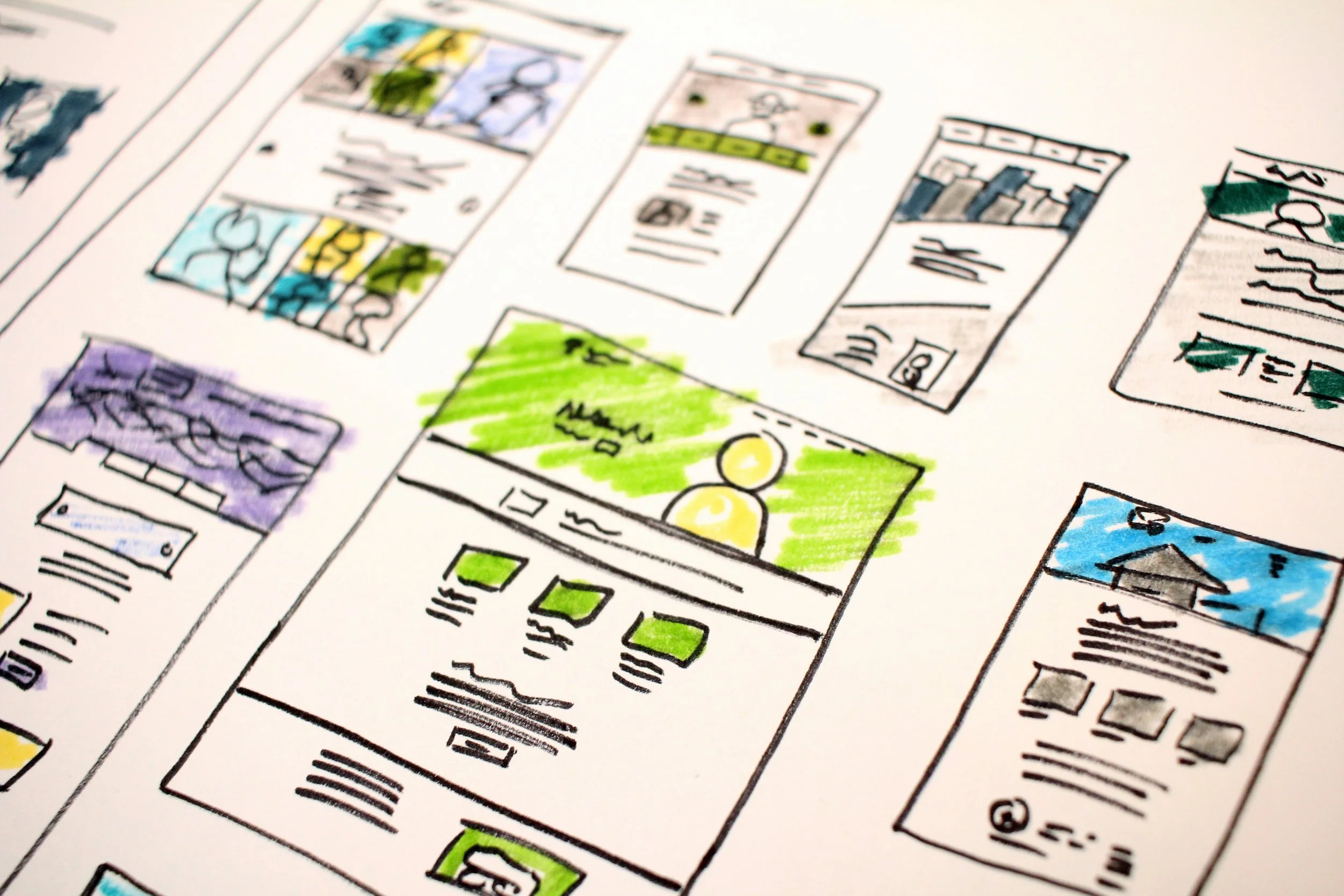
WCAG 2.2 content requirements for government: the criteria your content team owns, not developers
WCAG 2.2 content requirements for government: the new success criteria your content team owns, not developers, and the content fix for help, forms, and sign-in.

Government letters and notices: a content design guide for Australian agencies
Government letters decide whether people pay, appeal or miss deadlines. A practical content design guide to writing letters and notices for Australian agencies.